How Cell Phone Append Powers Your Multichannel Marketing Campaigns

Data appending and data enrichment sound interchangeable, and most marketers use them that way. They are not the same thing. Appending fills in what is missing from your existing records — adding a phone number, email address, or mailing address that was never captured. Enrichment adds intelligence that was never there to begin with — […]
Data Enrichment vs. Data Appending: What’s the Difference?
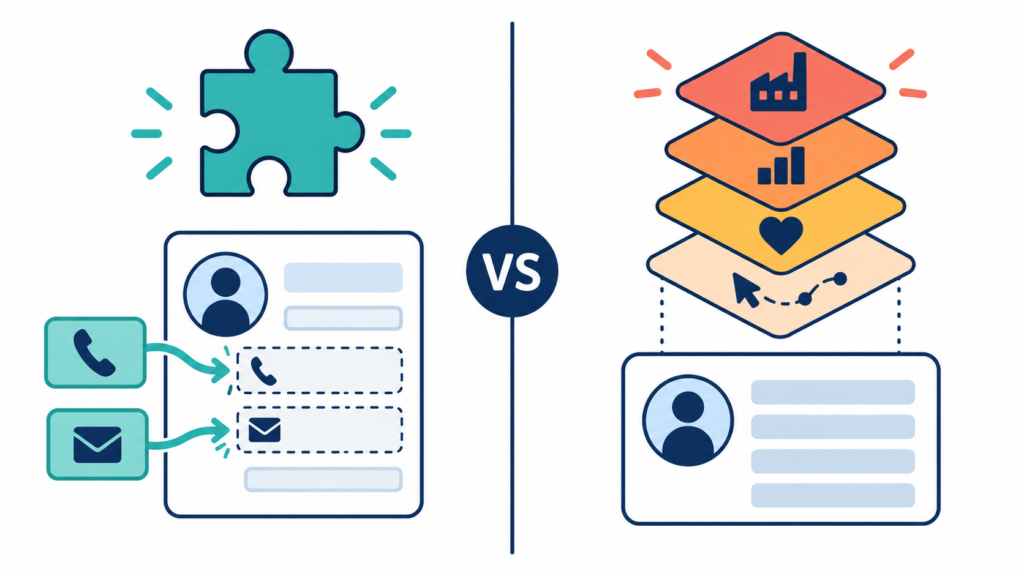
Data appending and data enrichment sound interchangeable, and most marketers use them that way. They are not the same thing. Appending fills in what is missing from your existing records — adding a phone number, email address, or mailing address that was never captured. Enrichment adds intelligence that was never there to begin with — […]
Business Owner Cell Phone Append: How to Reach Decision-Makers on Their Mobile
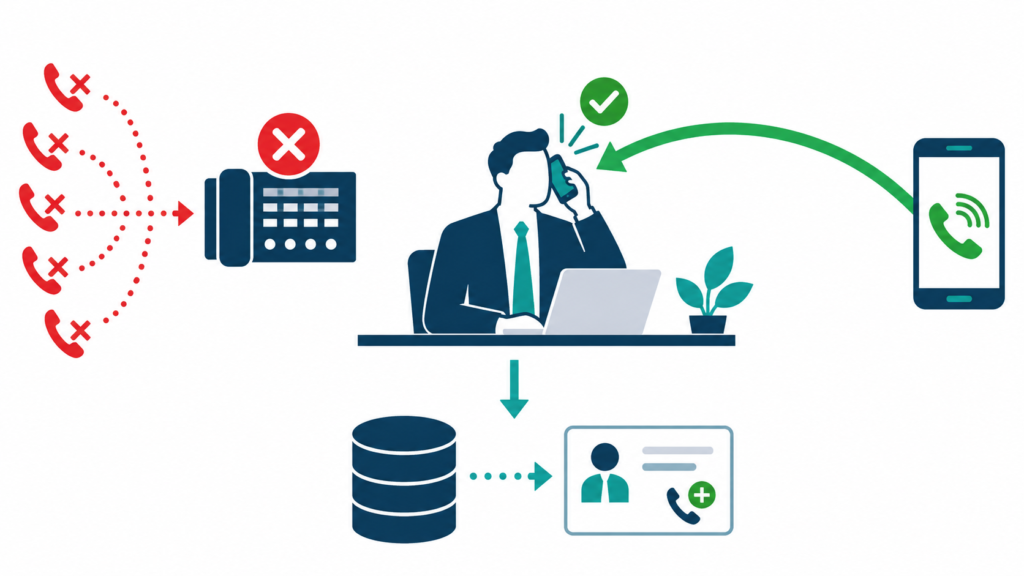
A business owner cell phone append is a data enrichment process that matches your existing business contact records against mobile phone databases to add the owner’s verified personal cell number to your file. It is the most direct path to reaching the person who actually signs the checks — on the device they carry everywhere […]
Cell Phone Append Match Rates: What to Expect and How to Improve Them
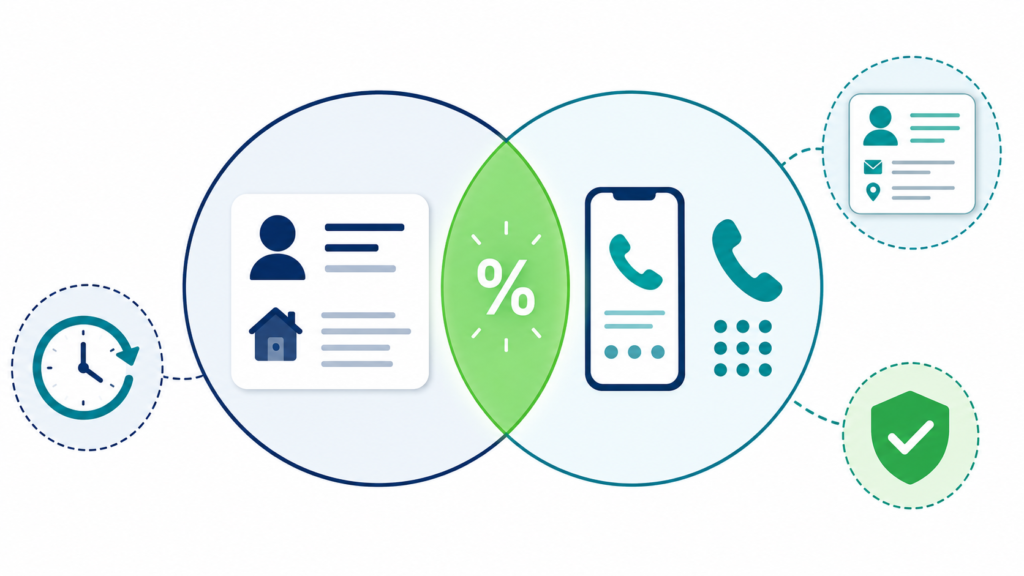
A cell phone append match rate is the percentage of records in your input file that are successfully matched to a verified phone number during the appending process. If you submit 10,000 customer records and 3,500 come back with appended cell phone numbers, your match rate is 35%. Understanding what match rates to expect — […]
Auto Buyer Mailing Lists: How Dealerships and Aftermarket Companies Find Customers
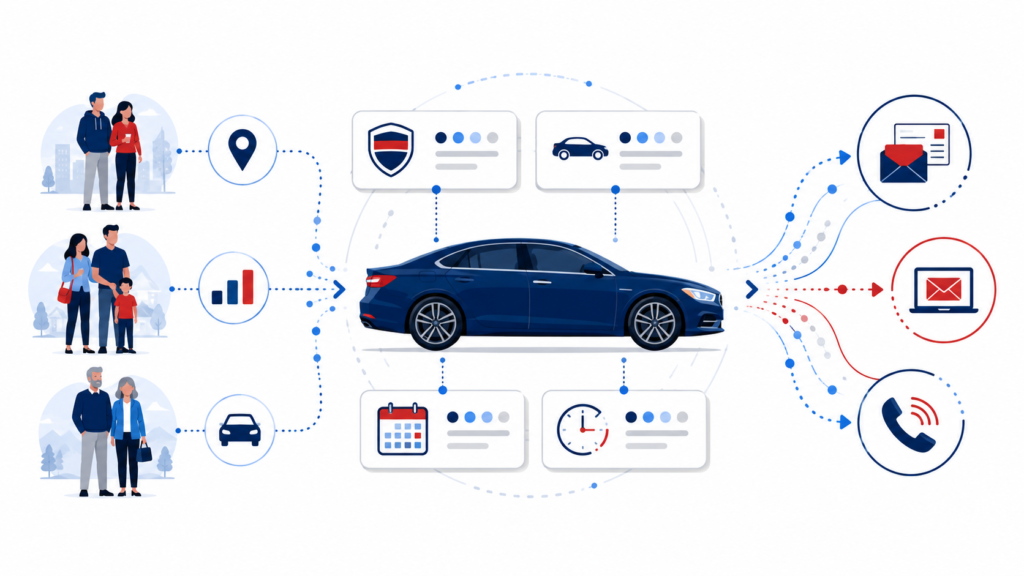
An auto buyer mailing list is a targeted database of vehicle owners and recent car buyers organized by vehicle data, demographics, and geographic location. For dealerships, service centers, aftermarket parts companies, extended warranty providers, and automotive insurance firms, auto buyer mailing lists are the most precise way to reach consumers who are statistically most likely […]
State-by-State SMS Marketing Laws in 2026: A Compliance Map for Marketers
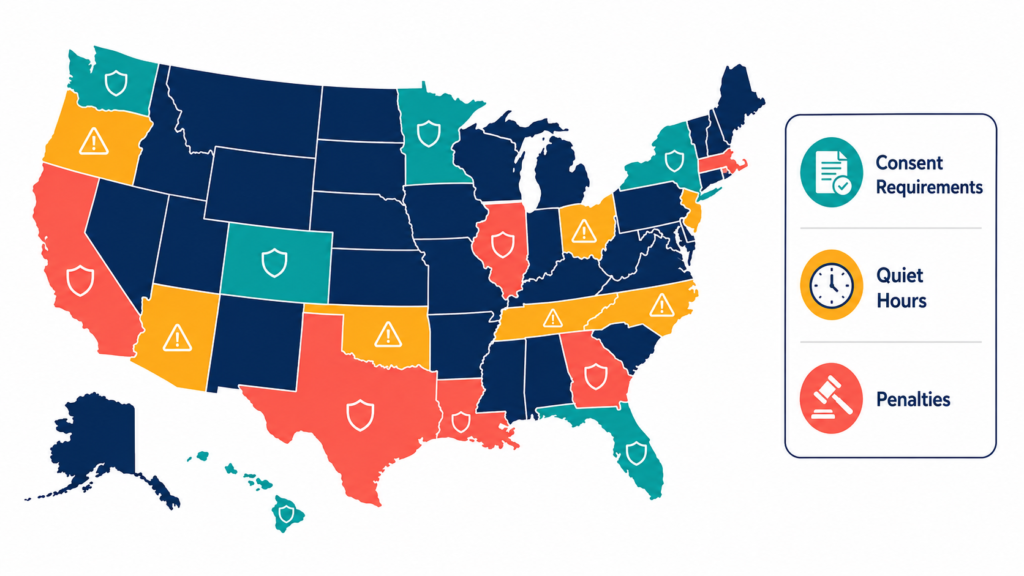
Federal TCPA compliance is the floor, not the ceiling. As of 2026, more than 15 states enforce their own telemarketing and SMS laws that stack stricter rules on top of the federal standard — broader autodialer definitions, tighter quiet hours, steeper penalties, and additional registration requirements that the TCPA does not impose. For any business […]
New Business Mailing Lists: How to Market to Startups and New Companies
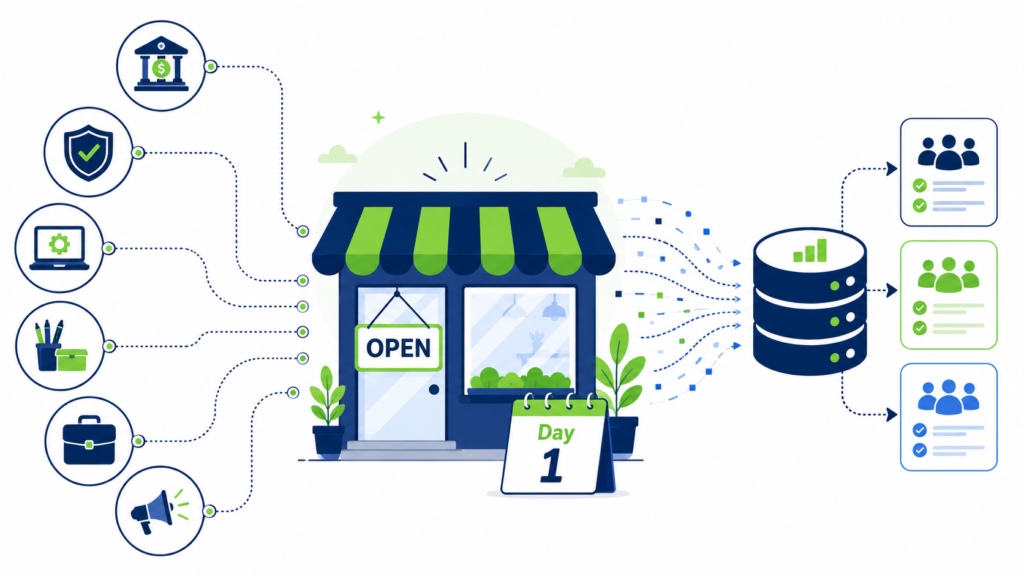
A new business mailing list is a targeted database of companies that have recently been registered, incorporated, or filed for business licenses — typically within the past 1-12 months. For any company that sells products or services to other businesses, new business mailing lists represent one of the highest-intent B2B audiences available, because new companies […]
Hobby and Interest-Based Mailing Lists: How to Target Passionate Consumers
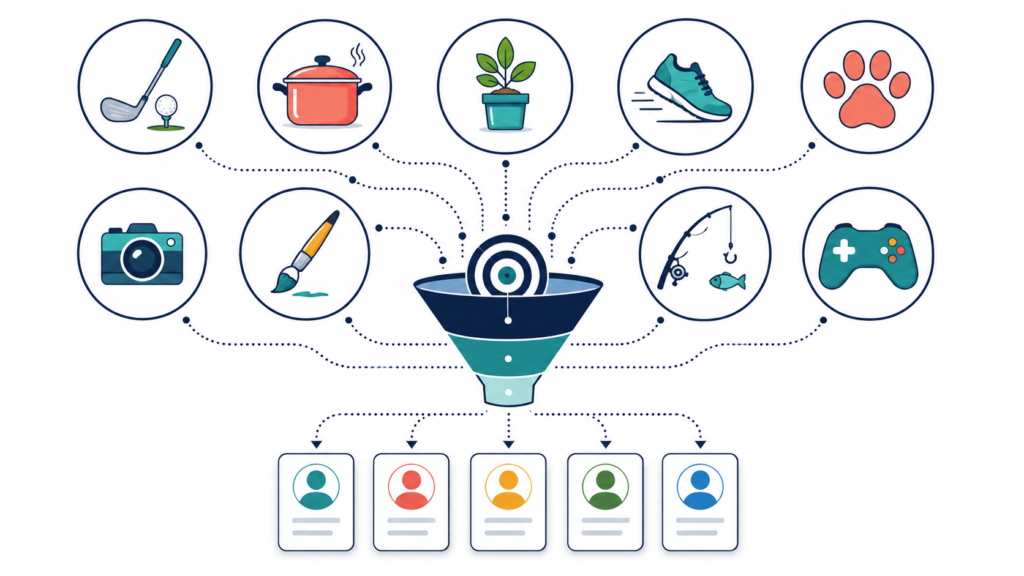
Hobby and interest-based mailing lists are consumer databases segmented by lifestyle passions, recreational activities, and personal interests — from gardening and golf to cooking, fitness, travel, pet ownership, and dozens of other categories. For businesses selling products or services tied to a specific lifestyle, hobby mailing lists deliver something that standard demographic targeting cannot: intent […]
Direct Marketing ROI: How to Calculate and Improve Your Campaign Returns
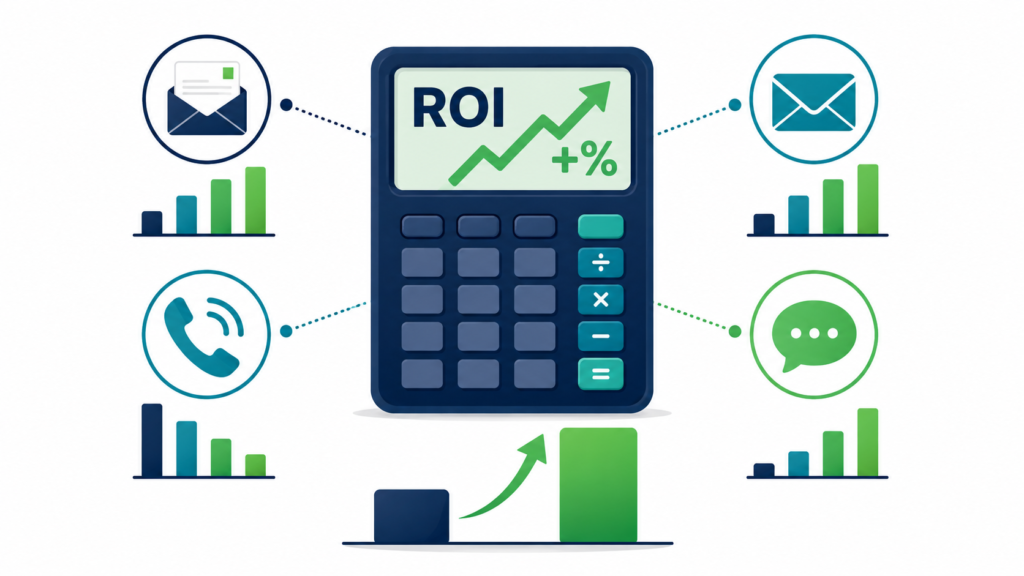
Direct marketing ROI measures the revenue your campaign generates relative to what it costs to execute. It is the definitive metric for determining whether a campaign was worth the investment — and it is the number that should drive every decision about which channels, lists, and offers to use. According to the 2025 ANA/DMA Response […]
Mailing List Hygiene: How to Clean and Maintain Your Marketing Database
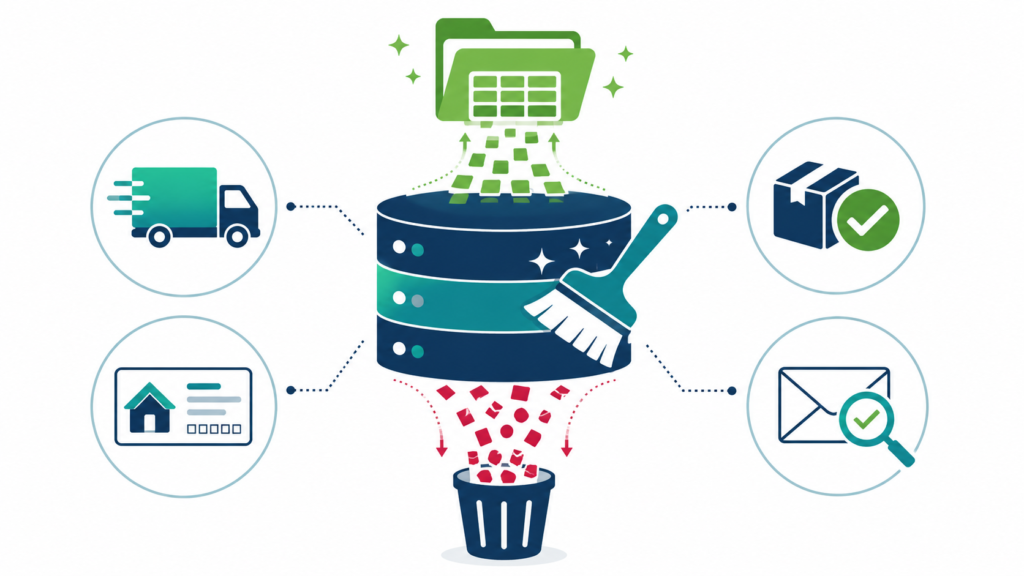
Mailing list hygiene is the process of verifying, correcting, and updating contact data to remove inaccurate, outdated, and undeliverable records before a campaign is sent. For postal data, hygiene involves NCOA processing (updating addresses for people who have moved within 48 months), CASS certification (standardizing addresses to USPS format and adding ZIP+4 codes), and DPV validation (confirming each address exists and is deliverable). For email data, hygiene involves verification against invalid addresses, spam traps, and abandoned mailboxes. Properly cleaned lists achieve 95-98% postal deliverability and 85-95% email deliverability, compared to 85-90% for uncleaned data.