

Ailment-Targeted Mailing Lists: How Health Marketers Reach the Right Audience

Ailment-targeted mailing lists are consumer databases of individuals who have self-reported a health condition or health interest, such as diabetes, arthritis, allergies, sleep problems, or hearing loss. They let health marketers reach people who have a demonstrated need for a specific product or service, instead of mailing everyone over a certain age and hoping the […]
Ethnic Mailing Lists: How to Reach Multicultural Audiences with Respect and Precision

Ethnic mailing lists are consumer databases segmented by ethnicity, country of origin, and language preference. They help brands deliver culturally relevant offers to Hispanic, Asian American, African American, and other multicultural audiences through direct mail, email, phone, and SMS. The opportunity is large and growing. The U.S. Hispanic population reached 68 million in mid-2024, roughly […]
Direct Mail Campaign KPIs: 9 Metrics Every Marketer Should Track

Direct mail is one of the most measurable channels in marketing, but only if you track the right numbers. Response rate alone does not tell you whether a campaign made money. A 5% response rate can lose money, and a 1.5% response rate can be highly profitable. It depends on cost per piece, conversion, and […]
How AI Is Changing Direct Mail and Email Marketing in 2026

AI is no longer an experiment in direct marketing. Lob’s 2026 State of Direct Mail report found that 99% of marketing and operations leaders use AI or automation in their programs, and 96% say personalization lifts results, up sharply from 84% the year before. The same technology is reshaping email marketing, from subject line testing […]
How Cell Phone Append Powers Your Multichannel Marketing Campaigns

Data appending and data enrichment sound interchangeable, and most marketers use them that way. They are not the same thing. Appending fills in what is missing from your existing records — adding a phone number, email address, or mailing address that was never captured. Enrichment adds intelligence that was never there to begin with — […]
Data Enrichment vs. Data Appending: What’s the Difference?
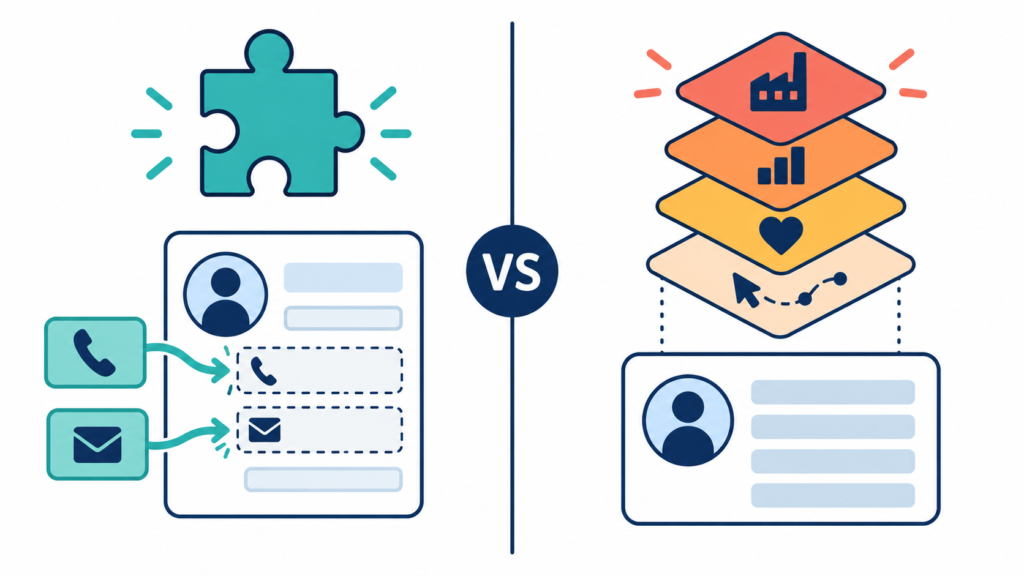
Data appending and data enrichment sound interchangeable, and most marketers use them that way. They are not the same thing. Appending fills in what is missing from your existing records — adding a phone number, email address, or mailing address that was never captured. Enrichment adds intelligence that was never there to begin with — […]
Business Owner Cell Phone Append: How to Reach Decision-Makers on Their Mobile
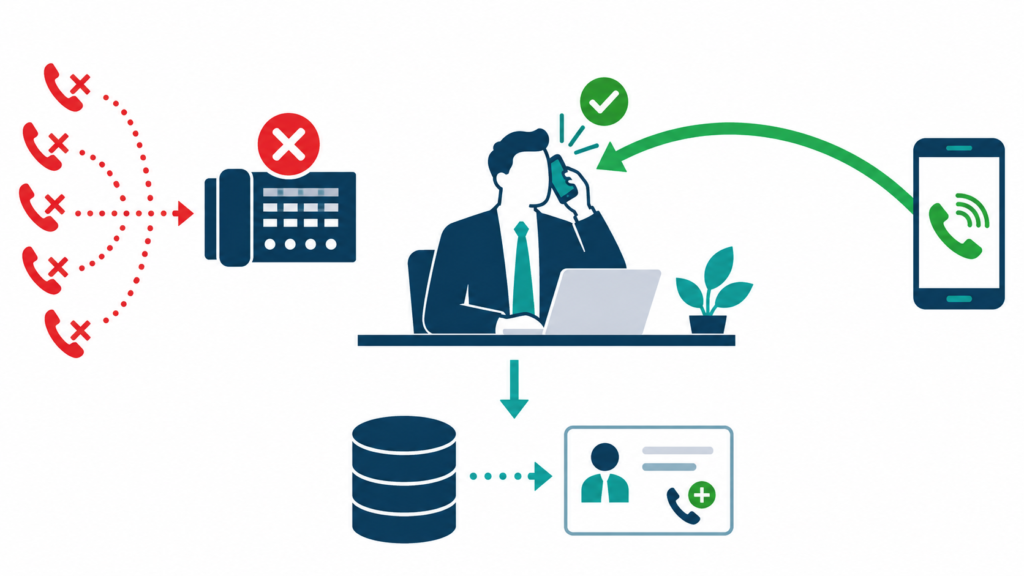
A business owner cell phone append is a data enrichment process that matches your existing business contact records against mobile phone databases to add the owner’s verified personal cell number to your file. It is the most direct path to reaching the person who actually signs the checks — on the device they carry everywhere […]
Cell Phone Append Match Rates: What to Expect and How to Improve Them
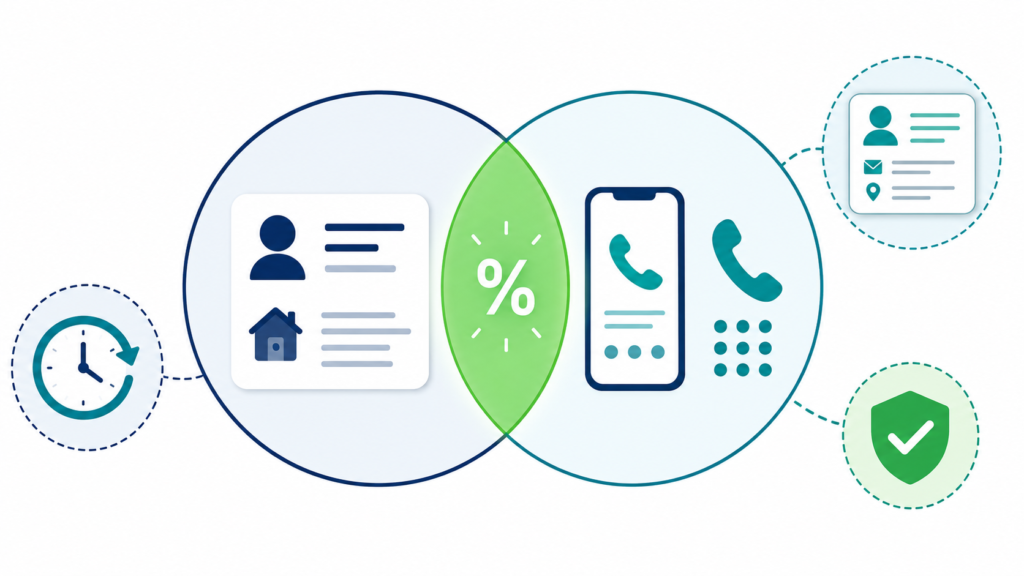
A cell phone append match rate is the percentage of records in your input file that are successfully matched to a verified phone number during the appending process. If you submit 10,000 customer records and 3,500 come back with appended cell phone numbers, your match rate is 35%. Understanding what match rates to expect — […]
Auto Buyer Mailing Lists: How Dealerships and Aftermarket Companies Find Customers

An auto buyer mailing list is a targeted database of vehicle owners and recent car buyers organized by vehicle data, demographics, and geographic location. For dealerships, service centers, aftermarket parts companies, extended warranty providers, and automotive insurance firms, auto buyer mailing lists are the most precise way to reach consumers who are statistically most likely […]
State-by-State SMS Marketing Laws in 2026: A Compliance Map for Marketers
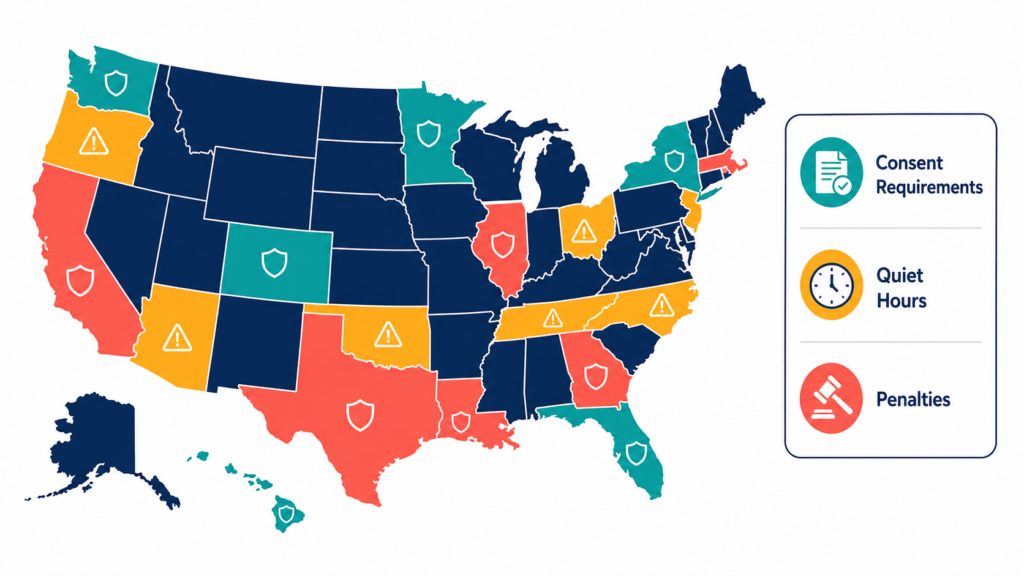
Federal TCPA compliance is the floor, not the ceiling. As of 2026, more than 15 states enforce their own telemarketing and SMS laws that stack stricter rules on top of the federal standard — broader autodialer definitions, tighter quiet hours, steeper penalties, and additional registration requirements that the TCPA does not impose. For any business […]